Since the dawn of the Industrial Revolution in the late 1700’s, humanity’s use of fossil fuels has emitted greenhouse gases (GHG) into the atmosphere, which for millions of years was sequestered in the earth. The most concerning GHG is carbon dioxide (CO2) because it stays in the atmosphere much longer than other pollutants, and absorbs heat radiating from the earth and re-releases it in all directions. Atmospheric CO2 can last from 300 to 1000 years, so CO2 released even in the late 1700’s is likely still present in the atmosphere.1 As a result there is now 47 percent more carbon dioxide in the atmosphere than pre-industrial times, and that has resulted in alarming changes to entire ecosystems over the last 30 years.1
How do trees store carbon?
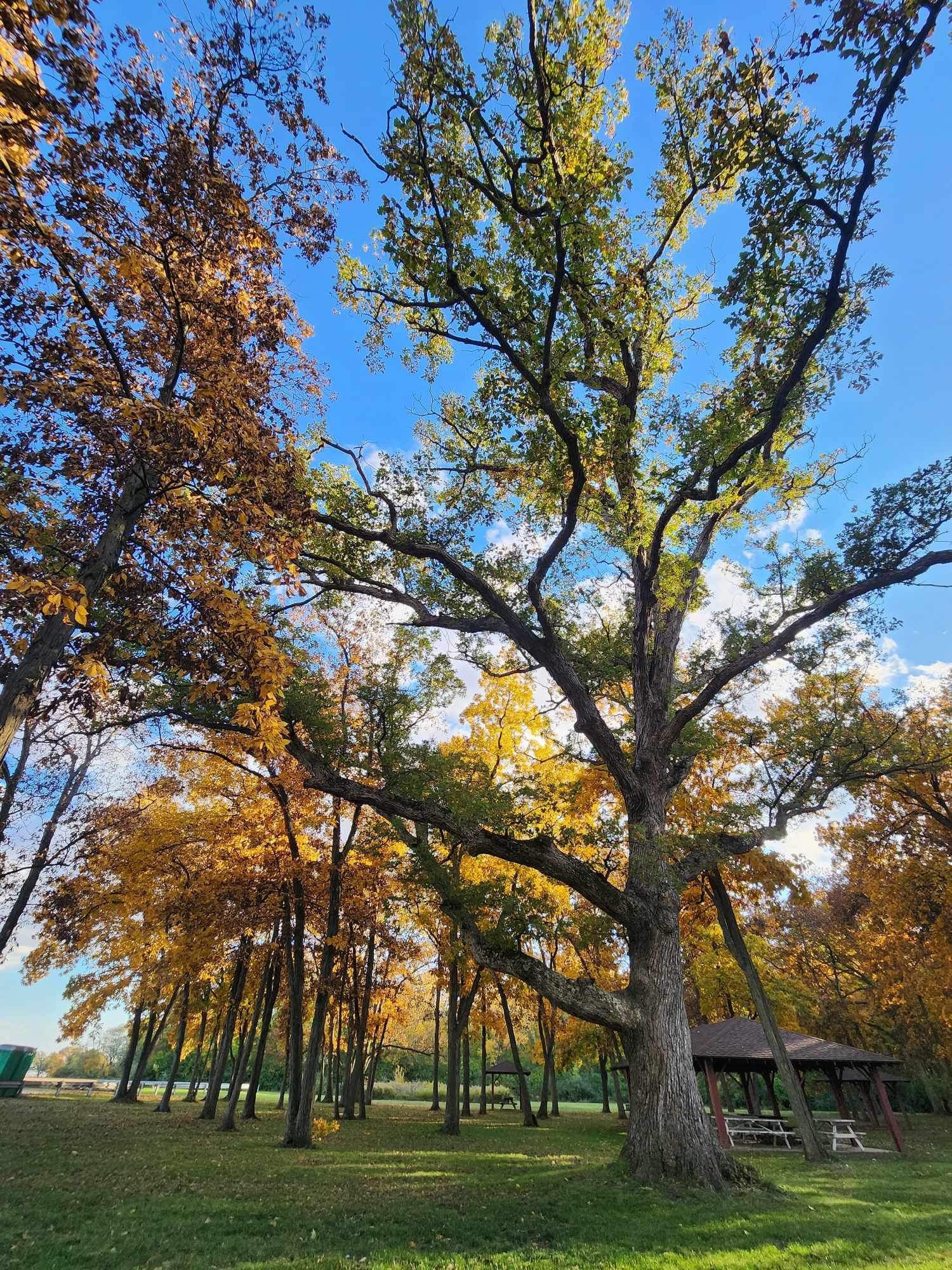
Through the process of photosynthesis, leaves capture carbon dioxide and water from the atmosphere and use sunlight to convert them into sugars, or glucose, that feed the tree. Oxygen is released as a by-product, and excess sugars that are not used are stored as starch in the sapwood, or xylem, of the trunk. Wood is 50% carbon, so the more the tree grows the more carbon is pulled from the atmosphere and stored.2 Trees are a longer-term storage of carbon, also referred to as a carbon sink. The average lifespan of trees is 300-400 years; some can live only years; some can live for thousands of years. As long as the tree stays alive or the wood stays intact, their carbon is stored. Carbon is slowly released back into the atmosphere when the tree decomposes.2
Methods of Carbon Sequestration
There are many methods of reducing carbon dioxide in the atmosphere. An obvious approach is to protect and restore existing forest and coastal ecosystems that naturally store carbon. We can also help this along by planting trees and cultivating seaweed. Carbon conscious agriculture methods can help to maintain the natural process of carbon capture in the soil. Biomass carbon removal is a range of methods that aims to extend the carbon storage of plants past their natural life cycles.3 There are also technologies such as direct air capturing, smokestack scrubbing, or carbon mineralization.3
There’s still a lot we don’t know. Discoveries from carbon tracking satellites at NASA have challenged our long-standing assumptions of carbon cycles, showing that carbon sequestration in tropical rainforests in recent years is now much less effective than forests in the northern hemisphere.1 That means planting trees and maintaining forests here in the midwest may be even more important than previously thought. Space-based measurements can help us see what’s working, and continue to inform our methods and approaches to combating climate change.1
Well, now what?
We are already seeing the effects of excess CO2 in the atmosphere, with more frequent and intense heat waves, wild fires, and flooding. This means that we need to reduce current levels of CO2, not just reduce emissions in the future. Therefore, many forms of carbon capturing must be deployed such as: reforestation, coastal ecosystem restoration, direct air capture systems, biomass technology, and other forms of carbon sequestration or removal.1 There also has to be a drastic and swift reduction of fossil fuel usage globally, so that we keep future CO2 emissions as low as possible. The slowing of atmospheric CO2 emissions must be combined with a diverse portfolio of carbon sequestration and carbon removal techniques to make a dent in legacy atmospheric CO2, rising temperatures, and other climate change effects.1
Mulligan, James and Gretchen Ellison, Kelly Levin, Katie Lebling, Alex Rudee, Haley Leslie-Bole. “6 Ways to Remove Carbon Pollution from the Atmosphere” World Resources Institute, March 17, 2023. https://www.wri.org/insights/6-ways-remove-carbon-pollution-sky
Stormwater, Drains, and Pollution By EAC Intern Hadley McKenzie
Stormwater drains are designed to control and direct water during heavy storms to prevent city flooding;1 often located on the side of roadways, they take in any stormwater runoff flowing along streets, parking lots, driveways, and any other impervious surfaces.2 The storm drains redirect water to local waterways, like rivers and lakes, without being treated.
Unfortunately, stormwater runoff can easily
pick up pollutants along the way and contaminate the larger waterbodies at the end of the drain.4 Common contaminants include (but are not limited to) fertilizers, pesticides, and herbicides used on yards, motor oil, litter and debris, cleaning chemicals, agricultural-related chemicals and waste, pet waste, and excess nutrients from fallen leaves or grass clippings.1,3,5Polluted stormwater can have negative impacts across ecosystems, including harming aquatic life and compromising drinking water for humans and land animals.2 Additionally, pollution in waterways alters aquatic plant life; for example, excess phosphorus that gets picked up from leaves along streets can lead to toxic algae blooms in lakes. These algae then prevent growth of natural aquatic plants and can harm fish and organisms in the water.4,5 Algae can also cause bad odors or flavors in drinking water. To help educate the community on the importance of stormwater drains, you can volunteer with the EAC’s Storm Drain Stenciling! More information and dates can be found at EcologyActionCenter.org/storm-drain-stenciling
To prevent stormwater pollution and keep our local waterways clean, it is best to properly dispose of any and all waste. This includes throwing away trash and debris, picking up after pets, taking motor oil and cleaning supplies to official disposal locations, and keeping leaves off of streets.3,5 Utilizing native plants in landscaping and gardening is also beneficial in limiting stormwater runoff; native plants are better at absorbing flowing rainwater, which reduces the amount of runoff coming from yards. Rain gardens are often placed in areas with high amounts of runoff, and can help reduce flooding. For more information on native plants and EAC’s Yard Smart Program, visit YardSmart.org
Rain barrels are also a sustainable way to both conserve water for personal use and limit the amount of stormwater runoff. The EAC hosts rain barrel workshops and has more information on their uses and benefits at EcologyActionCenter.org/rain-barrels
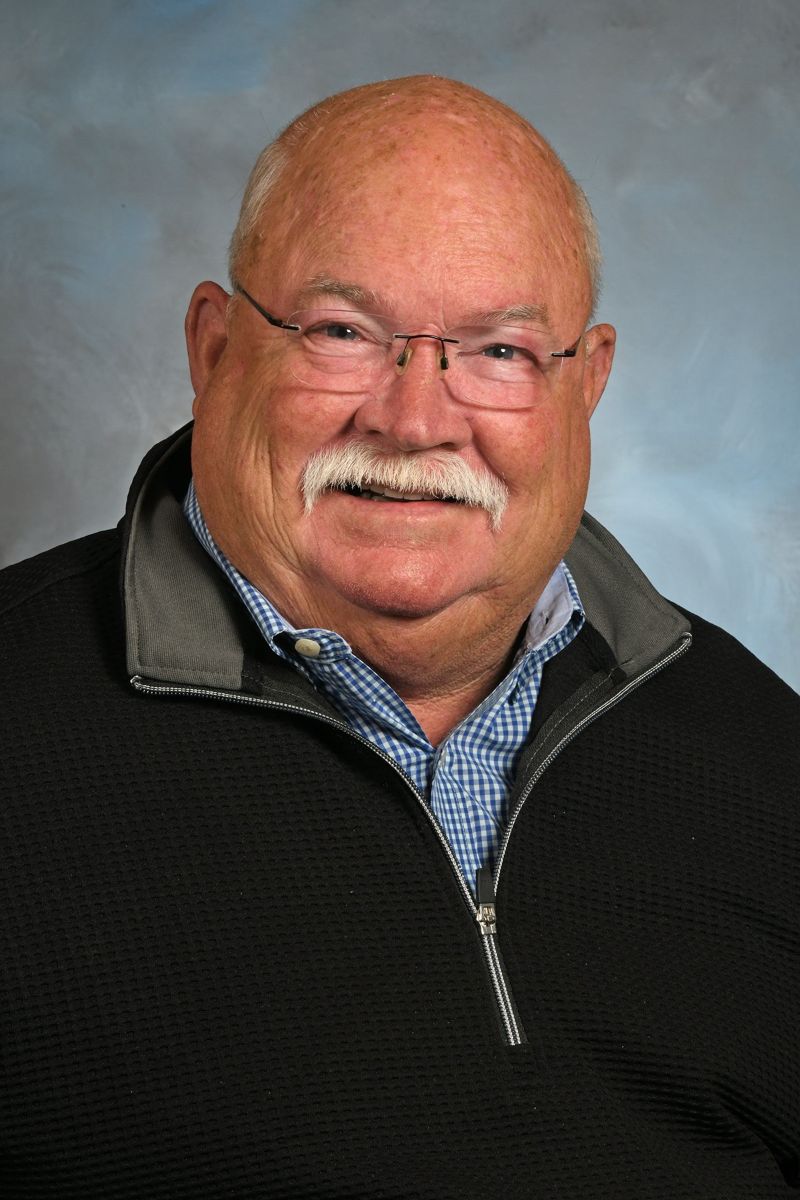
From Mike O'Grady: “Many years ago, during my time at Illinois State University, I had the privilege of working alongside Enid Cardinal, who was then our sustainability coordinator. Together, we launched the university's first bike-sharing program. The program would take bicycles that had been left on the campus at school's end and refurbish them using students who we trained to do repairs, a project that sparked my lasting commitment to environmental stewardship. Enid's passion and leadership deeply influenced me and ultimately led to my involvement with the Ecology Action Center. Over the years, I had the honor of serving on the board, as vice president, and for two years as president. I'm incredibly proud of what the Center has accomplished in advancing sustainability and protecting our local environment."
Great work doesn't happen without the vision of great people. May we all have the passion and leadership of Enid and Mike!
Have you checked BN Green Events lately? If so, you might have seen that the EAC is busy with lots volunteering opportunities right in time for fall. Enjoy the crisp weather by volunteering outdoors! The EAC has many opportunities for volunteering in September and October.
Household Hazardous Waste:
The Household Hazardous Waste Collection event is the biggest event of the year for the EAC. We cannot hold this event without all of our wonderful volunteers. Volunteers will assist in various functions with the primary need being traffic control. The work requires spending the entire shift on one's feet, clear communication with event participants, some possible light lifting with equipment setup/take-down. Learn more and sign up at HHWMcLean.org
Saturday, October 4 (7:30-10:30am)
Saturday, October 4 (10:15-1:14pm)
Saturday, October 4 (1:00-4:00pm)
Storm Drain Stenciling:
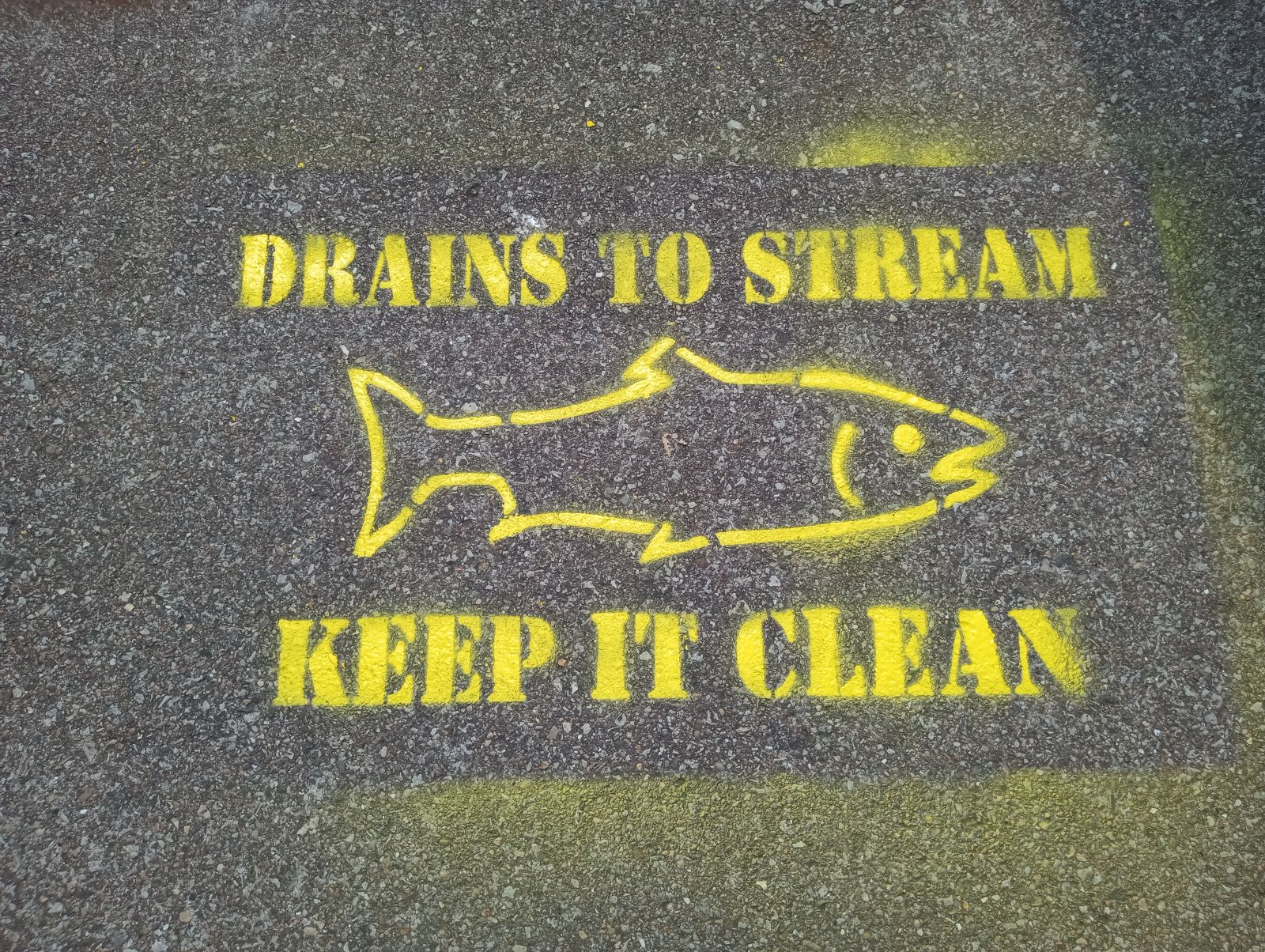
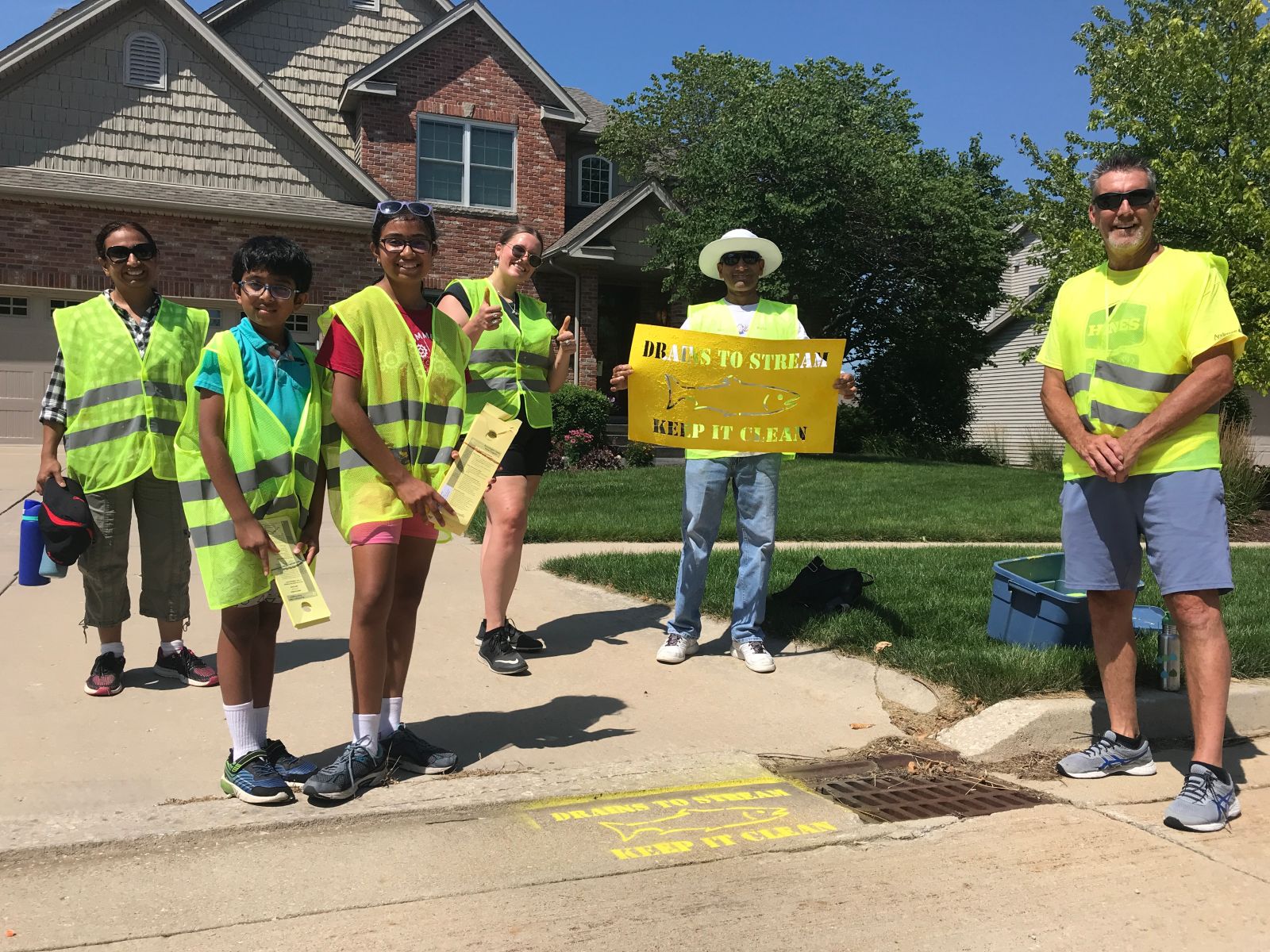
Assist the EAC in helping educate residents on storm water pollution by stenciling ‘Drains to Stream. Keep Clean’ on neighborhood storm drains and distributing informational door hangers. Stenciling is a great way to get the entire family outside and involved.Learn more and sign up at ecologyactioncenter.org/volunteering
Wednesday, August 27 (4:00-6:00pm)
Saturday, September 6 (1:00-3:00pm)
Thursday, September 18 (4:30-6:30pm)
Tuesday, September 23 (7:00-9:00am)
Sunday, October 12 (10:00-12:00pm)
Sunday, October 26 (10:00-12:00pm)
Sunday, October 26 (2:30-4:30pm)
Sugar Creek Stewards:
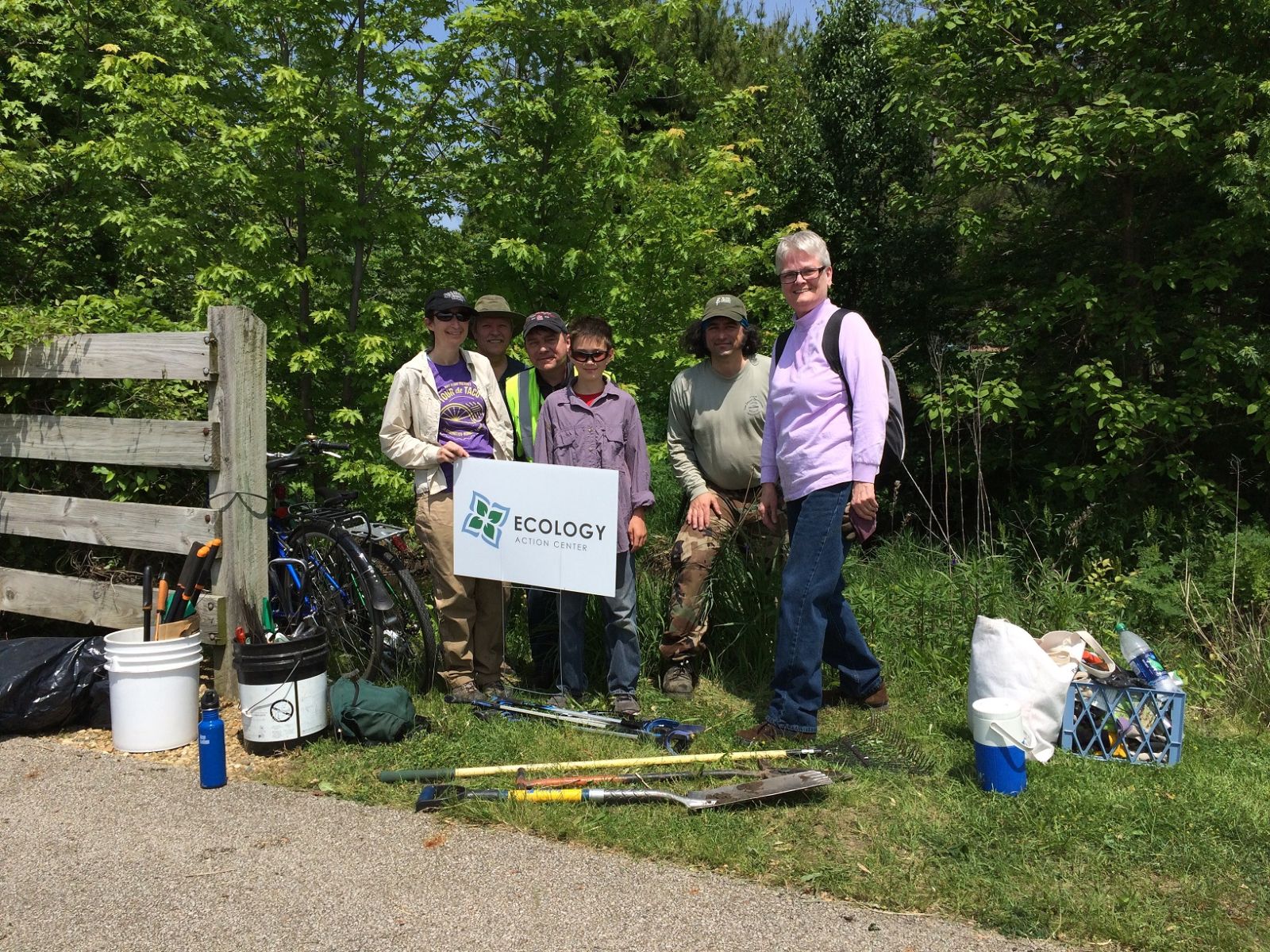
Help to improve Sugar Creek by clearing out invasive plant species and managing non-invasive plants in designated areas throughout Bloomington and Normal. This volunteer opportunity occurs on the third Saturday of every month. Learn more and sign up at ecologyactioncenter.org/volunteering
Saturday, September 20 (9:00-12:00pm)
WORKSHOPS!
Visit ecologyactioncenter.org/workshops to sign up! Currently there are dates available for rain barrel workshops ($55 or $45 for members), backyard composting workshops ($35 or $25 for members), and vermicomposting ($35). Workshops come with all the necessary tools, information, and supplies to begin your water harvesting or composting journey!
Rain Barrel Workshop: September 13 (9:00-10:00am)
Compost Workshop: September 13 (10:30-11:30am) & October 9 (5:30-6:30pm)
Vermicomposting Workshop: October 22 (5:30-6:30pm)
Fuel Canister Recycling
Summer is a season full of outdoor activities like camping, grilling, hosting fire pits, and more; after months of fun, you may find yourself with potentially dangerous equipment that you’d like to dispose of, such as propane tanks, gasoline, flammable liquids, camp stove fuel, and pressurized tanks. Because these are household hazardous wastes, they are not to be thrown in household trash or recycling due to safety and environmental risks. Instead, there are drop-off locations around Bloomington-Normal that collect and properly dispose of these products, including Illini Fire Equipment in Bloomington (propane and pressurized tanks), Advance Auto Parts in Bloomington (gasoline, flammable liquids, camping gasses), and Team Automotive & Tire in Normal (gasoline, flammable liquids, camp stove fuel).
Many of these products are highly flammable, so throwing them in the trash or recycling introduces risk of explosions or fires and possible dangers to collection facilities. There are also pollution worries, as leaking of any of these liquids would harm local ecosystems and wildlife. If they end up in the environment instead of being properly disposed of, stormwater runoff has potential to carry them long distances and spread the contamination, potentially to drinking water sources. To avoid these risks, it is advised that these products are dropped off at participating locations to ensure proper recycling and disposal!
For drop-off locations, addresses, and more waste and recycling information, see RecycleBN.org
.png)